Understanding Senior Care: Grasping Services and Their Effect on Health and Quality of Life
Navigating senior care involves a thoughtful consideration of numerous services customized to meet individual needs. Families face many options, each with distinct benefits and challenges. Understanding these decisions can greatly influence a senior's overall health and emotional well-being. As families explore the landscape of care, they must consider factors like comfort, independence, and specialized support. What consequences do these decisions carry for their loved ones' happiness and quality of life?
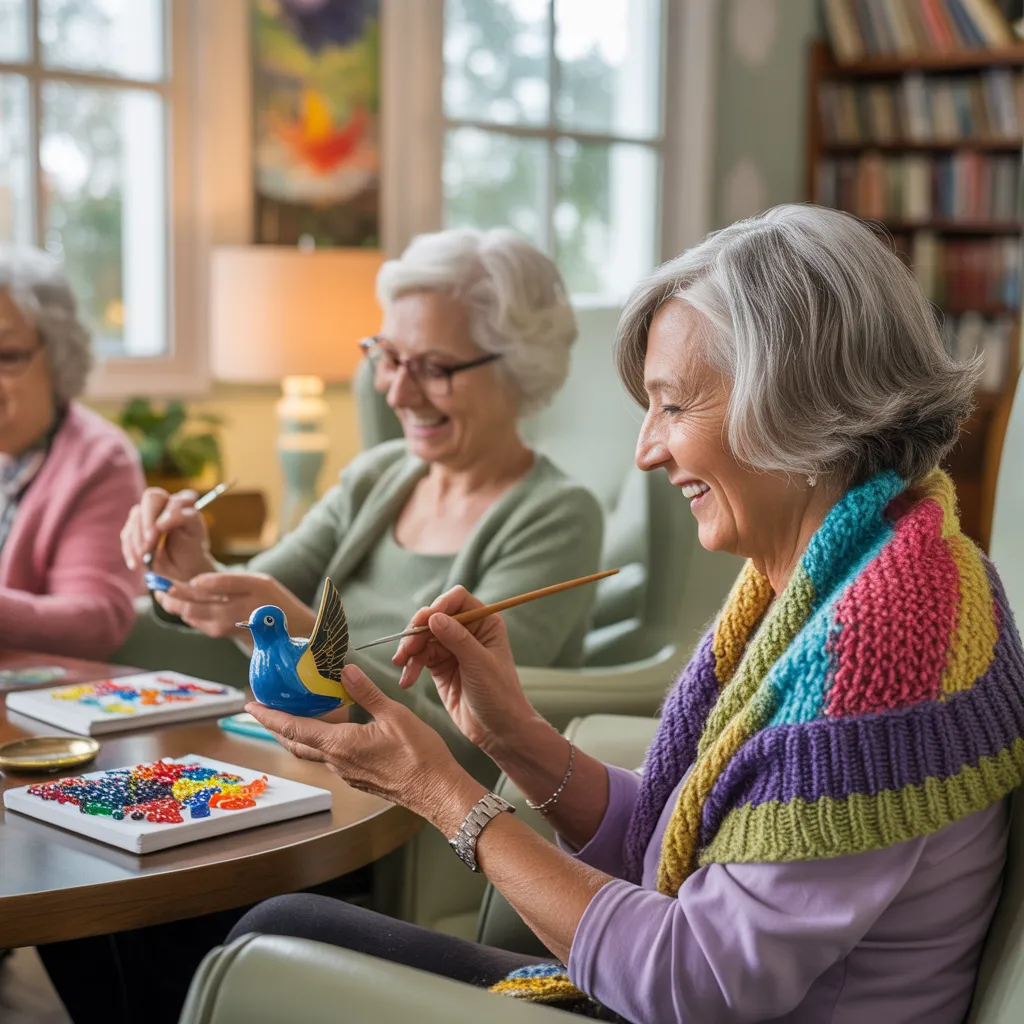
Discover the Diverse Senior Care Services Provided
With advancing age, individuals typically need different forms of support to sustain their quality of life. A variety of senior care services exist to address these needs. Home care services offer assistance with daily activities, such as bathing, meal preparation, and medication management, allowing seniors to remain in familiar surroundings. Adult daycare centers offer social connections and planned activities during daytime hours, providing relief to family caretakers. Assisted living facilities cater to those requiring more support, providing a community atmosphere with access to healthcare professionals. Skilled nursing centers specialize in residents with complex health problems, delivering continuous medical attention. Hospice support delivers comfort to those facing life's conclusion, highlighting dignity and care for both individuals and their families. Every option serves an essential function in improving elderly well-being, allowing them to maintain dignity while receiving appropriate care.
How In-Home Care Fosters Independence and Comfort
In-home care fulfills a critical purpose in sustaining the independence and comfort of seniors. By supplying individualized care solutions, it enriches their regular activities while simultaneously supporting psychological wellness. This thorough support nurtures a sense of self-reliance, allowing seniors to thrive in their own environments.
Customized Treatment Plans
Tailored care plans serve as a cornerstone of home-based care, enabling seniors to maintain their independence and comfort. These plans are designed to meet the specific needs of each individual, factoring in their health conditions, preferences, and daily routines. By involving seniors and their families in the development of these plans, caregivers can guarantee that the services provided match the person's lifestyle and goals. This individualized approach not only elevates the quality of care but also promotes a sense of autonomy. Regular assessments and adjustments to the care plans help address shifting needs, enabling seniors to navigate their daily lives with dignity and support. Eventually, tailored care plans contribute considerably to overall wellness and satisfaction.
Elevating Daily Operations
Many seniors benefit greatly from improved daily activities offered through in-home care services, which play an essential role in promoting independence and comfort. These services often include assistance with routine tasks such as meal preparation, personal hygiene, and mobility support. By supplying customized assistance, caregivers enable seniors to sustain their daily routines, promoting a sense of autonomy. This support allows individuals to pursue activities they enjoy, whether it be gardening, reading, or socializing, boosting their quality of life. Moreover, caregivers can help seniors maneuver around their homes safely, minimizing the risk of accidents. Overall, in-home care services markedly enhance daily living, ensuring that seniors can enjoy their independence while staying comfortable in their own environment.
Emotional Wellness Support
Though aging can cause feelings of isolation and anxiety, in-home care services provide essential emotional well-being support that improves seniors' independence and comfort. Caregivers offer companionship, reducing loneliness and fostering social engagement. By being available and observant, they help get details seniors communicate their feelings and concerns, which can reduce emotional distress. In addition, caregivers aid in daily routines, promoting a sense of purpose and accomplishment. This support allows seniors to maintain control over their lives, strengthening their dignity and self-esteem. Through individualized interactions and encouragement, in-home care services create a supportive environment that benefits mental health. Ultimately, this emotional well-being support plays a critical role in ensuring seniors feel valued and connected to their families and communities.
Benefits of Older Adult Care in Assisted Living Facilities
Assisted living communities deliver considerable advantages to elderly residents, specifically in fostering social connections and offering individualized care programs. These environments foster community engagement, reducing feelings of isolation among residents. Additionally, tailored care plans guarantee that individual health needs are met, promoting overall well-being.
Improved Interpersonal Interaction
Improved social interaction is a essential aspect of senior care in assisted living facilities, as these communities foster meaningful connections among residents. By taking part in group activities, residents communicate with one another, share experiences, and build friendships, which greatly contributes to emotional well-being. Regular socialization can minimize feelings of loneliness and isolation, common issues faced by seniors. Assisted living facilities often organize events, games, and outings, encouraging residents to connect over shared interests. Moreover, these interactions can stimulate cognitive function, fostering mental health. Overall, improved social interaction in assisted living not only enriches the lives of residents but also creates a supportive community that nurtures happiness and fulfillment during their later years.
Individualized Healthcare Plans
At assisted living centers, personalized care plans serve a crucial function in addressing the distinct needs of each resident. These customized plans are developed through thorough assessments that take into account an individual's medical history, preferences, and daily routines. By emphasizing specific health requirements and personal goals, caregivers can offer more effective support, resulting in improved physical and emotional well-being. Moreover, personalized care plans facilitate better communication between staff, residents, and families, making certain that everyone is aligned in their approach. This individualized attention not only elevates quality of care but also nurtures a sense of autonomy and dignity among residents. Ultimately, personalized care plans contribute to a holistic environment that promotes health, happiness, and overall satisfaction in assisted living settings.
What's the Difference Between Palliative and Hospice Care?
What distinguishes palliative care from hospice care? Palliative care focuses on delivering relief from the signs and stress of severe illnesses, independent of the stage of the condition. It emphasizes improving quality of life for both patients and their families, delivering support in tandem with curative treatment. This approach can be started at any point in the disease progression.
By comparison, hospice care is purposefully created for people nearing the end of life. It becomes an option when restorative treatments are no longer effective or desired, typically when a prognosis shows a limited lifespan. Hospice care emphasizes patient comfort, dignity, and emotional support, making certain that patients can pass their final days with their loved ones in a compassionate environment.
Ultimately, the main difference is found in the timing and intent: palliative care can be integrated at any stage, while hospice care is designated for end-of-life situations.
Specialized Memory Care for Mental Wellness
Memory care represents a specialized type of senior care designed to assist individuals with cognitive impairments, including Alzheimer's disease and various forms of dementia. This style of care centers on building a protected and systematic environment that supports cognitive health and emotional wellness. Memory care facilities typically hire trained staff members who grasp the particular challenges confronted by residents, securing individualized care plans that fulfill specific needs.
Activities created to boost memory and cognitive abilities, such as reminiscence therapy and arts and crafts, are often essential elements of memory care programs. These activities not only enhance cognitive engagement but also facilitate social interaction and emotional engagement among residents. Additionally, memory care settings prioritize safety, incorporating features like protective environments to reduce wandering and falls. Overall, specialized memory care plays a vital role in bettering the quality of life for those affected by cognitive decline, fostering a sense of dignity and purpose.
Determining the Most Suitable Senior Care Solutions for Your Loved One
Identifying the most appropriate senior care solutions for a family member can feel intimidating, specifically given the wide range of alternatives available. Families often begin by evaluating the person's specific needs, including medical requirements, mobility, and social considerations. Alternatives range from in-home care, which allows seniors to remain in known surroundings, to assisted living facilities that provide a balance of independence and support.
Assessing the degree of care required is vital, as it informs whether to contemplate skilled nursing facilities or memory care units for those with cognitive impairments. Financial considerations also play a significant role; understanding insurance choices, Medicaid, and personal savings can inform decisions.
Eventually, exploring potential facilities and speaking with healthcare professionals can provide valuable insights. Involving loved ones in dialogues about their preferences guarantees their voices are heard, fostering a collaborative approach to choosing the most appropriate senior care solution.
The Impact of Senior Care on Emotional Well-Being and Happiness
Choosing the right senior care option not only addresses physical needs but also profoundly influences emotional well-being and happiness. Quality care facilities foster social interaction, decreasing feelings of isolation that many seniors experience. Engaging activities and supportive staff create a sense of community, encouraging a positive outlook and emotional stability.
Moreover, personalized care plans can accommodate individual preferences and interests, boosting satisfaction and happiness. When seniors feel appreciated and valued, their self-esteem rises, supporting overall emotional health. Access to mental health resources within senior care facilities can also offer vital support for those struggling with depression or anxiety.
Eventually, the selection of senior care can significantly shape the emotional terrain of an person's later years, ensuring that they not only obtain necessary physical aid but also prosper in a caring and rewarding atmosphere, bringing about enhanced contentment and quality of life.
Frequently Asked Questions
How Do I Select the Right Senior Care Provider?
To pick the right senior care provider, one should research options, evaluate specific needs, examine staff qualifications, visit facilities, review reviews, and consult with healthcare professionals for personalized recommendations to guarantee ideal care and support.
How Much Do Different Senior Care Options Cost?
Pricing for various senior care choices varies substantially. In-home care may range from $20 to $50 per hour, assisted living communities typically charge $2,500 to $6,000 monthly, while skilled nursing facilities usually surpass $7,000 monthly.
What Steps Can I Take to Ensure My Loved One's Safety in Care?
To ensure a loved one's safety in care, one should routinely assess the facility, review staff qualifications, establish open communication, implement safety protocols, and engage in frequent visits to monitor their environment and well-being.
What Resources Are Available for Caregiver Support?
A variety of resources are available for caregiver support, including community support groups, online forums, respite care services, educational workshops, and national organizations like the Family Caregiver Alliance, which supply valuable information and emotional assistance to caregivers.
How Do I Handle Family Differences Concerning Care Decisions?
To manage family disagreements about care decisions, open communication is essential. Facilitating a respectful dialogue, seeking compromise, and consulting neutral professionals can help families navigate differing opinions while prioritizing the senior's best interests and well-being.